A practical mulch guide for Central Texas beds
Which mulch to use, how deep to spread it, and the one mistake that does more harm than good.
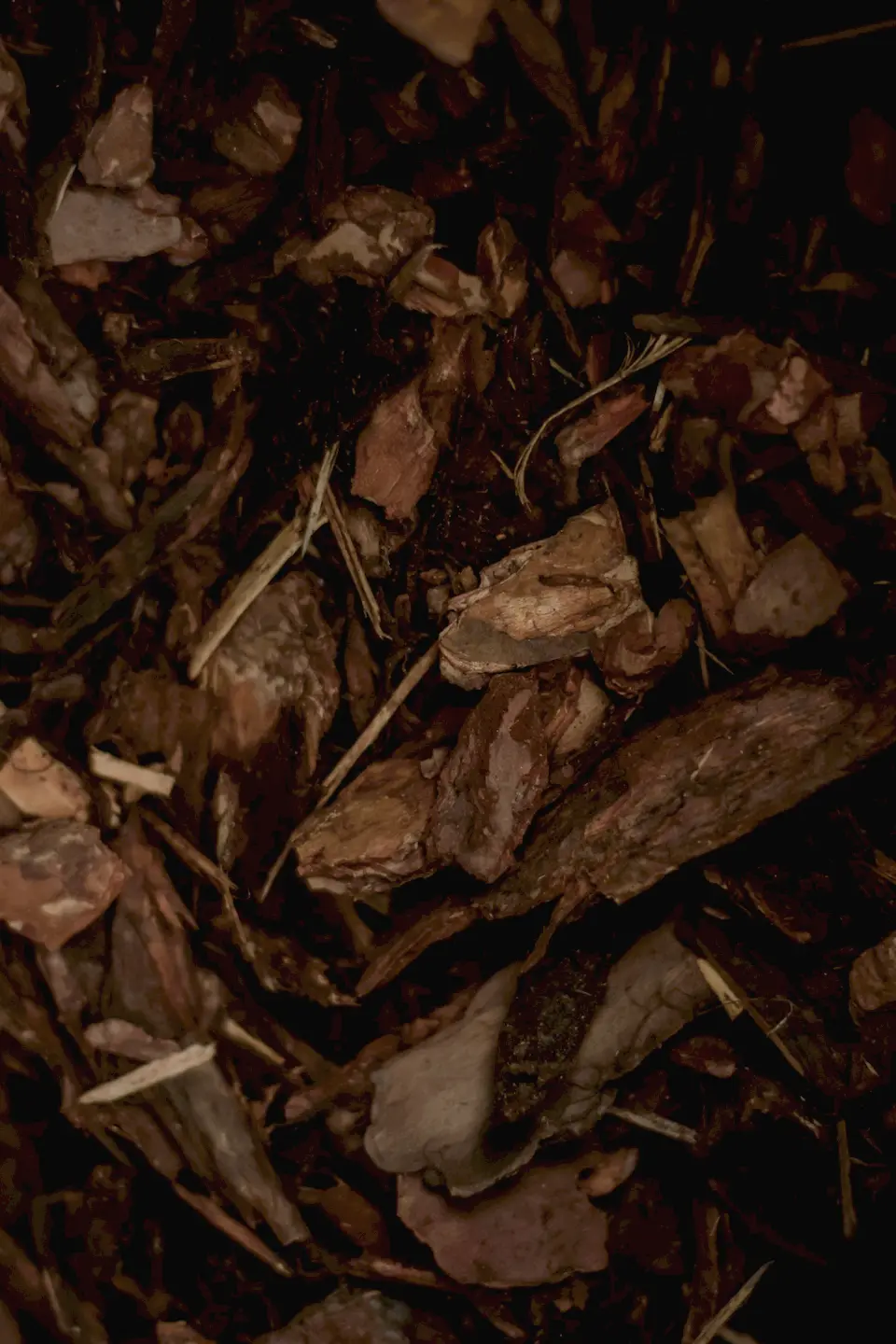
If you only do one thing for your garden beds this year, make it mulch. A good layer of mulch keeps soil cooler, slows evaporation, smothers many weeds and makes beds look cared for. In Central Texas summers, those benefits matter a lot. But mulch done badly can waste money or even harm plants. Here’s how to get it right.
What mulch actually does
- Holds moisture. A mulch layer shades the soil and slows evaporation, so water you apply lasts longer.
- Moderates soil temperature. It keeps roots cooler in summer and buffers cold snaps in winter.
- Suppresses weeds. Blocking light stops many weed seeds from germinating.
- Feeds the soil. Organic mulches slowly break down and add organic matter, which helps heavy clay and thin rocky soils.
- Reduces erosion. It softens the impact of heavy rain and keeps soil in place.
Choosing a mulch
| Type | Good for | Watch out for |
|---|---|---|
| Shredded hardwood | Most beds. Knits together and stays put on slopes. | Breaks down over a year or so, so plan to top up. |
| Shredded cedar | Beds and paths. Long-lasting, with a pleasant scent. | Can mat if piled too thick. Fluff it occasionally. |
| Pine bark nuggets | A rich, dark look in flat beds. | Lightweight pieces can float away in heavy rain. |
| Compost (as a top layer) | Vegetable beds and improving poor soil. | Breaks down fast. Pair with a coarser mulch on top for weeds. |
| Decomposed granite or gravel | Xeriscapes, succulents, native and dry gardens. | Reflects heat. Doesn’t add organic matter. |
For most mixed shrub and perennial beds around Austin homes, shredded hardwood or cedar is a reliable choice. For cactus, agave and other dry-garden plants, a mineral mulch like decomposed granite or gravel usually suits them better than wood.
How deep should mulch be?
For most beds, aim for about 2–3 inches of organic mulch. Thinner layers let weeds through and dry out quickly. Much deeper layers can keep light rain from reaching the soil and may keep the soil too wet underneath.
When to mulch in Central Texas
- Spring is a popular time to refresh beds, after cleanup and before summer heat arrives.
- Early summer top-ups help beds that have thinned out before the hottest months.
- Fall is great for new plantings, because mulch helps protect roots through the first winter.
Most organic mulches break down noticeably within a year in our heat, so an annual top-up is a good habit. Check the depth each spring and add only what’s needed to get back to 2–3 inches.
A simple step-by-step
- Weed first. Pull existing weeds, roots and all. Mulch prevents new weeds better than it kills established ones.
- Edge the bed. A clean edge keeps mulch in the bed and grass out of it.
- Water if dry. Mulch holds in moisture, so it helps to start with moist soil.
- Spread evenly to 2–3 inches, breaking up clumps as you go.
- Pull it back from trunks, stems and the house foundation.
How much do you need?
Mulch is usually sold by the cubic yard. One cubic yard covers about 108 square feet at 3 inches deep, or about 162 square feet at 2 inches. Measure your beds (length × width), add them up, and divide:
- At 3 in deep: total square feet ÷ 108 = cubic yards
- At 2 in deep: total square feet ÷ 162 = cubic yards
For example, 300 square feet of beds at 3 inches needs a little under 3 cubic yards.
The short version
Weed, edge, then spread 2–3 inches of shredded hardwood or cedar for most beds, or gravel and decomposed granite for dry gardens. Keep it off trunks and stems, and top up once a year.
Want us to handle it? See our mulching service or request a quote.